The IMS Kite Sets a New Standard: 3 Hours of Autonomy and Maximum Versatility
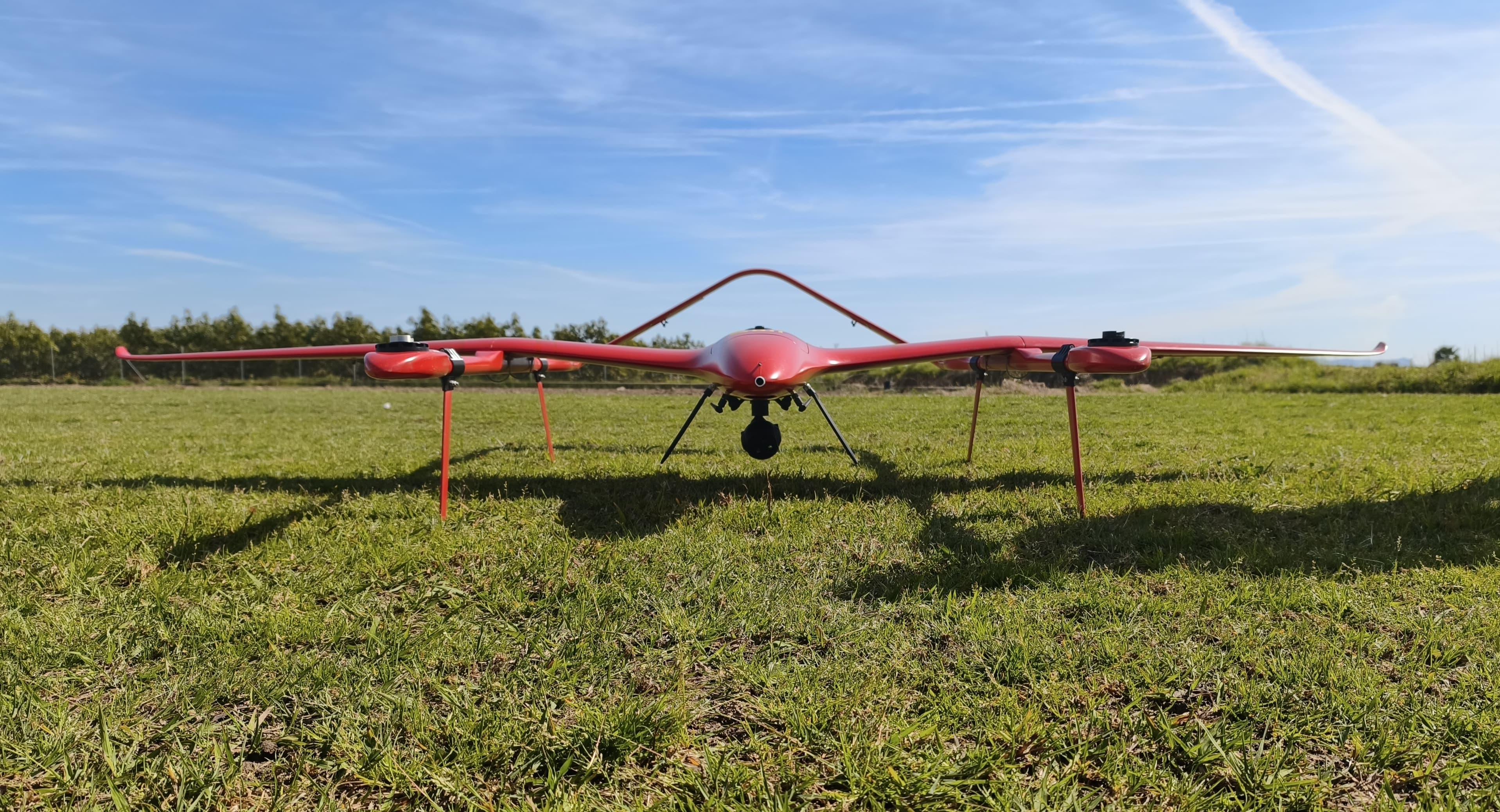
The Kite, IMS's flagship product, has recently validated its technical superiority in a series of private trials, reaching and exceeding three hours of uninterrupted flight.
Performance under real conditions
During the trials, the Kite not only demonstrated its endurance but also its operational efficiency. Maintaining a cruise speed above 80 km/h, it proved to be a high-performance tool for long-range missions.
The key: The hybrid VTOL system
The Kite's design delivers the best of both worlds:
Multi-rotor mode: Ideal for precise manoeuvres and take-offs in confined spaces, with an autonomy of 45 minutes.
Fixed-wing mode: Optimised for gliding and efficiency, achieving the 3-hour milestone.
Guaranteed safety: The system is programmed to always maintain sufficient energy reserves to enable a safe transition and vertical landing after completing its fixed-wing mission.
Robustness and Payload
Beyond its autonomy, the Kite stands out for its working capacity. With a payload of between 5 and 8 kg, it adapts to diverse applications, from advanced sensors to light logistics. All while maintaining stability against wind gusts of up to 80 km/h — ensuring operability in challenging meteorological conditions where other drones would have to remain grounded.
Autonomous landing of the Kite VTOL — IMS Drones
This success in private trials reaffirms IMS's commitment to precision engineering and the constant pursuit of solutions that push the boundaries of what is possible in the drone sector.
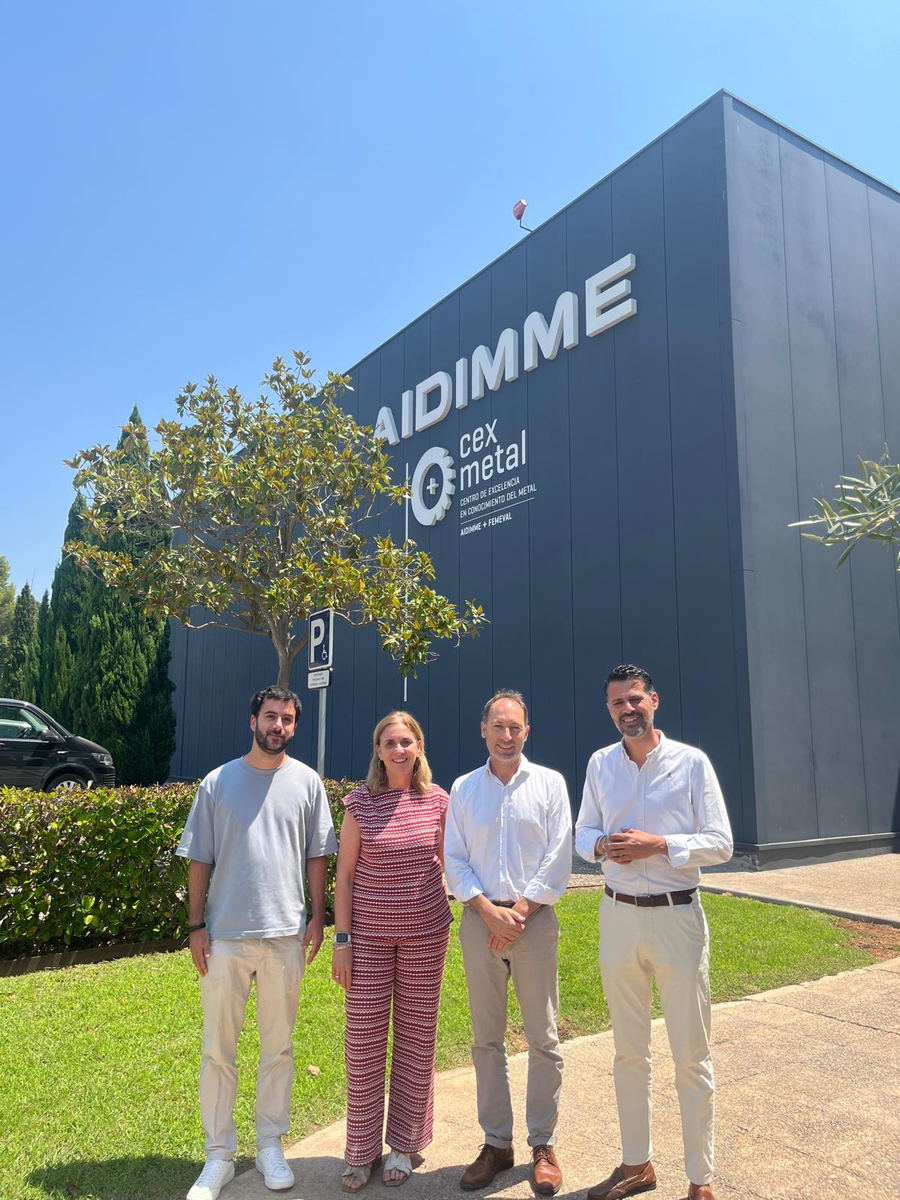
IMS Drones partners with AIDIMME Technological Institute to open new lines of collaboration in testing, additive manufacturing and R&D&I projects for industrial environments.
The integration of the Vector 600 is not a random choice. It is one of the most reputable autopilots on the international market, designed to military-grade standards.
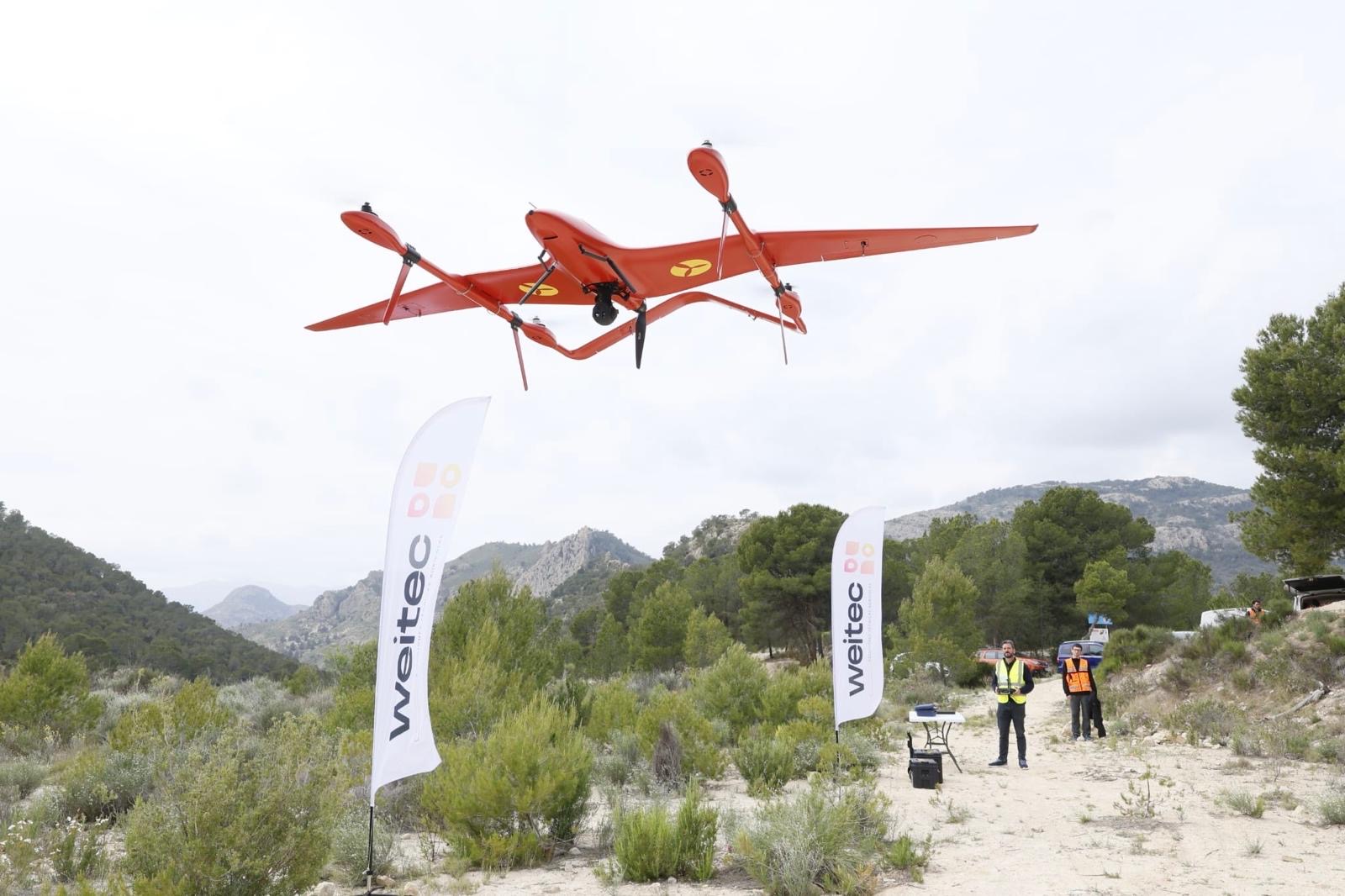
In collaboration with WEITEC, IMS conducted an operational demonstration before representatives of State Security Forces and public bodies, focused on locating people in high-difficulty forest areas.